A Vicious Cycle
(2023)
Mixed media on canvas
200 x 100 cm
This project was born in 2023 during a Westminster Working Cultures program in Mumbai, sponsored by the University of Westminster. It reflects on the harmful cycles created by the West’s flawed growth model, exported by colonizing societies to former colonies like India. It was inspired by the book Philanthrocapitalism and the Erosion of Democracy by activist Dr. Vandana Shiva, which gave voice to part of what I was feeling while experiencing climate anxiety for the first time. Witnessing the negative effects of the Western economic system—so evident in this part of the world—was a paralysing experience.
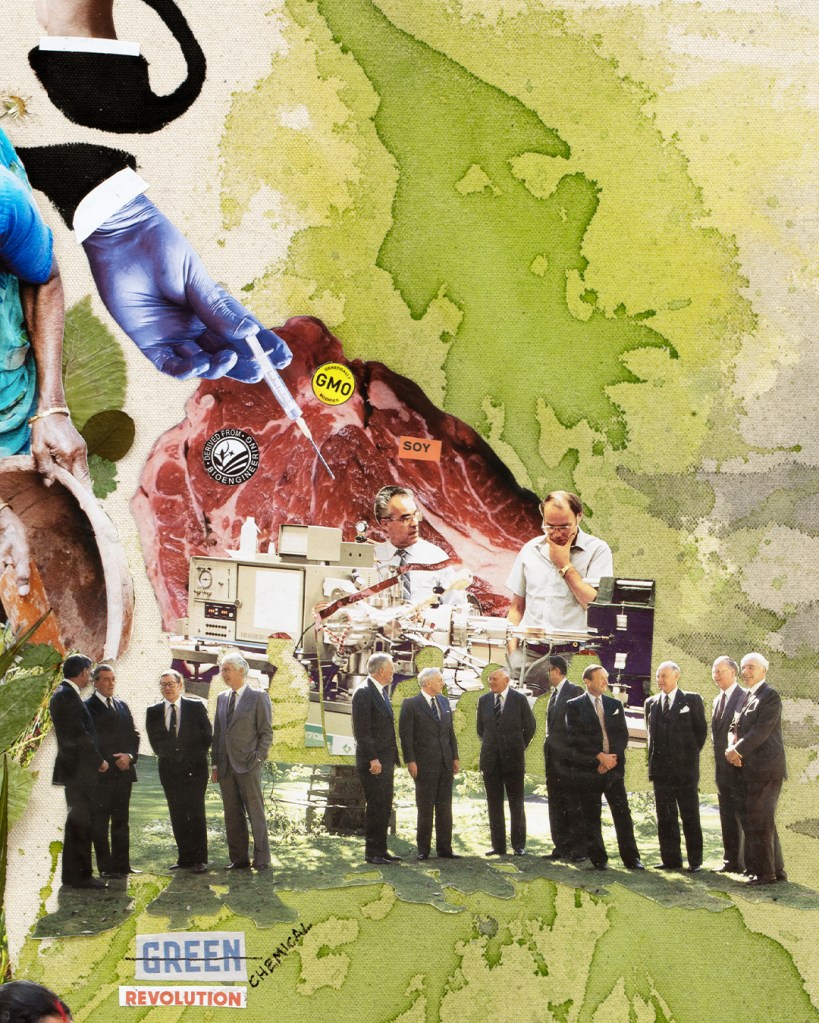
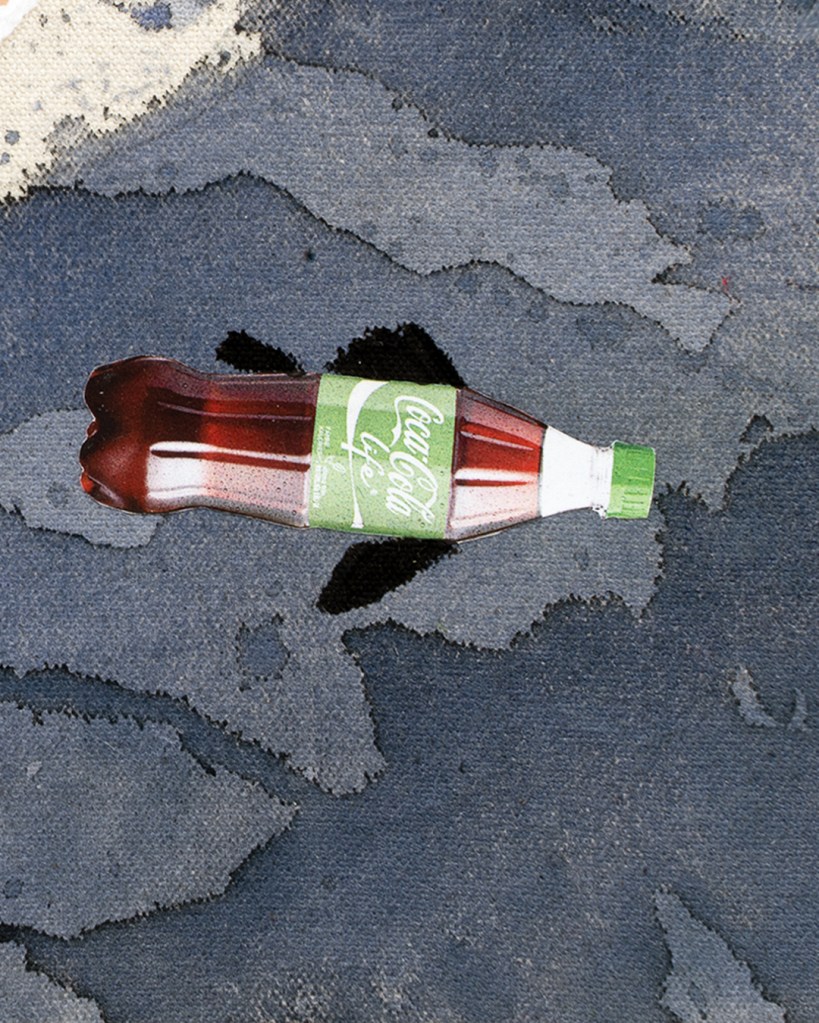
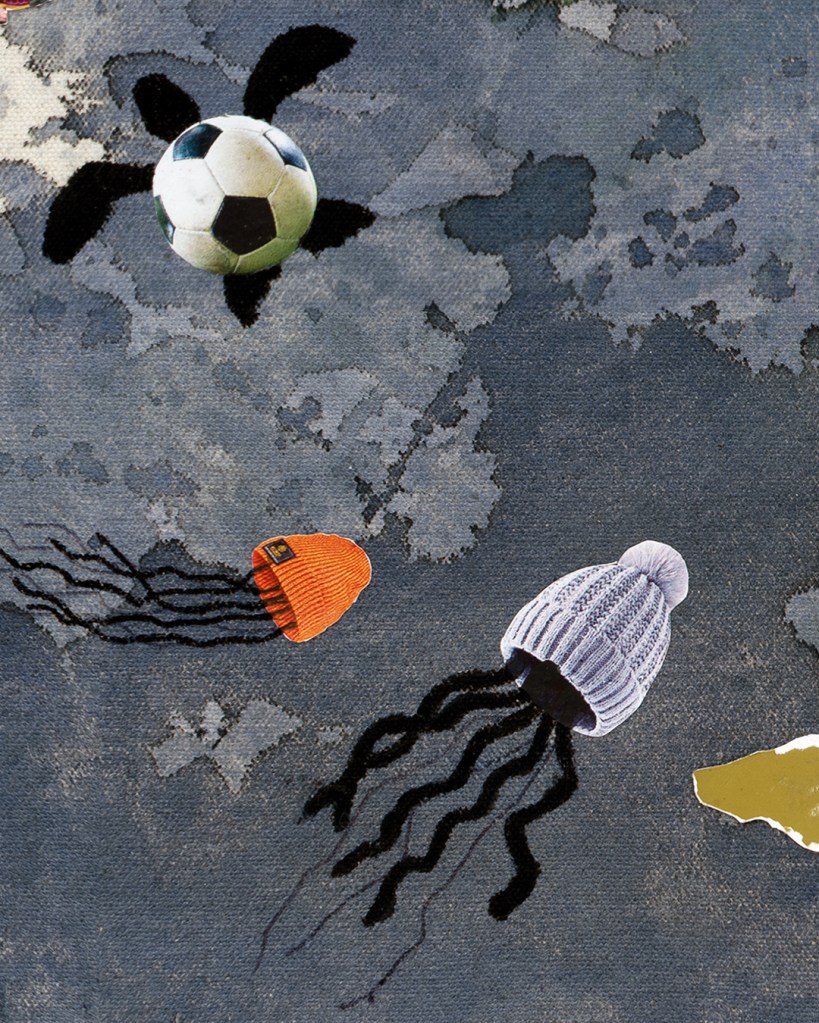
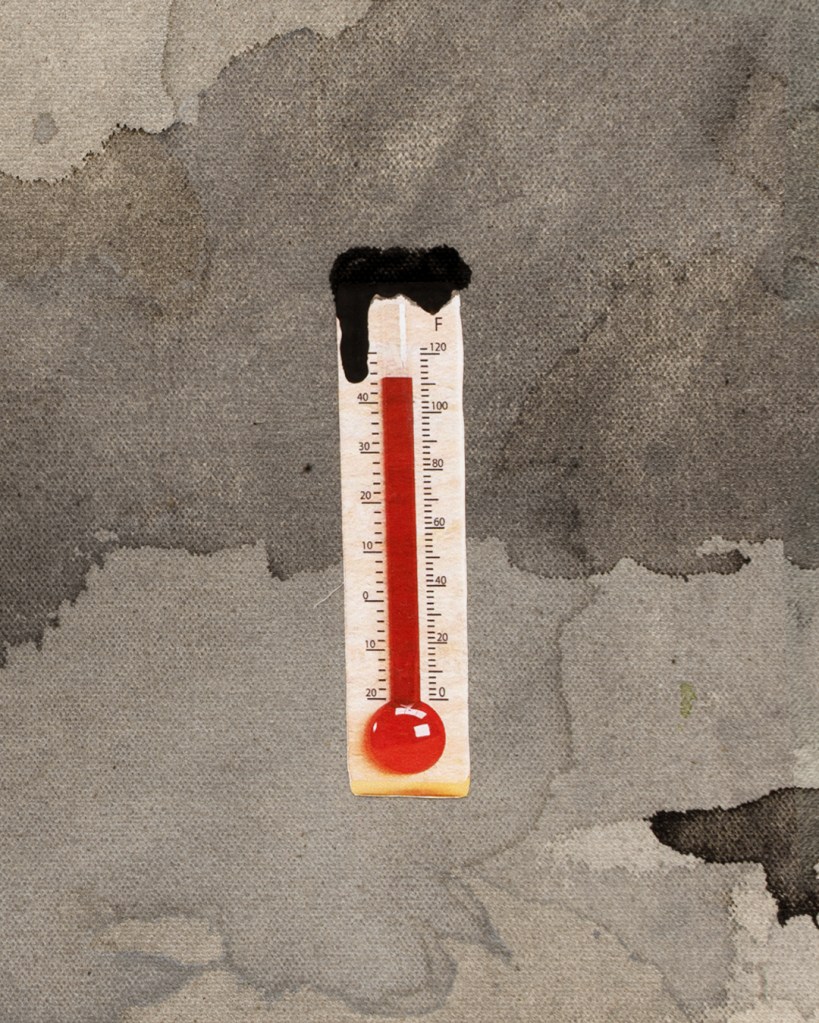
Through hand-cut collage and the use of various materials such as printed photographs, paint, plastic, paper, and dried plants, this work creates an intricate storytelling of the system and culture imposed on postcolonial societies. The term “postcolonial” itself carries controversy, revealing the ongoing impacts of historical exploitation. The dominance suffered under colonial rule has translated today into a relentless race for industrialisation, damaging the environment and deepening social inequalities that damages the environment and deepens inequalities within the social fabric.

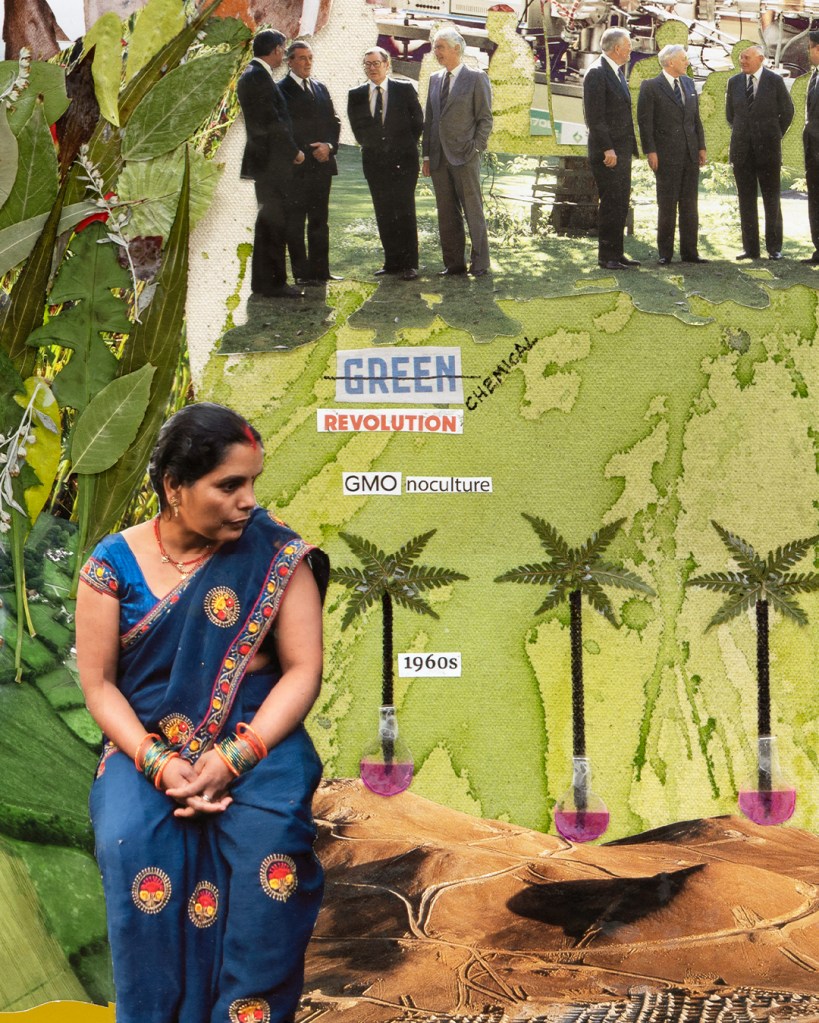
The storytelling begins with Vandana Shiva’s ‘Philanthrocapitalism and the Erosion of Democracy’, a critique of the Green Revolution in India, highlighting its colonial roots and long-term harm. Initially introduced to address food shortages caused by the exploitation suffered under colonial rule, the so-called Green Revolution was backed by Western powers, corporations, and the World Bank under the guise of modernizing agriculture. However, its true aim was to create dependency on industrial farming, promoting GMO seeds, chemical fertilisers, and pesticides sold by the same corporations controlling global food production.
Unlike traditional seeds, which are renewable and adapted to local ecosystems, GMO seeds require chemical inputs and cannot be saved, forcing farmers into perpetual reliance on companies like Bayer (formerly Monsanto), Syngenta, and Corteva. Though crop yields initially rose, monoculture farming led to biodiversity loss, soil depletion, and water pollution. Today, 37% of India’s land is degraded, and industrial agriculture remains a major driver of climate change. A self-perpetuating destructive cycle.
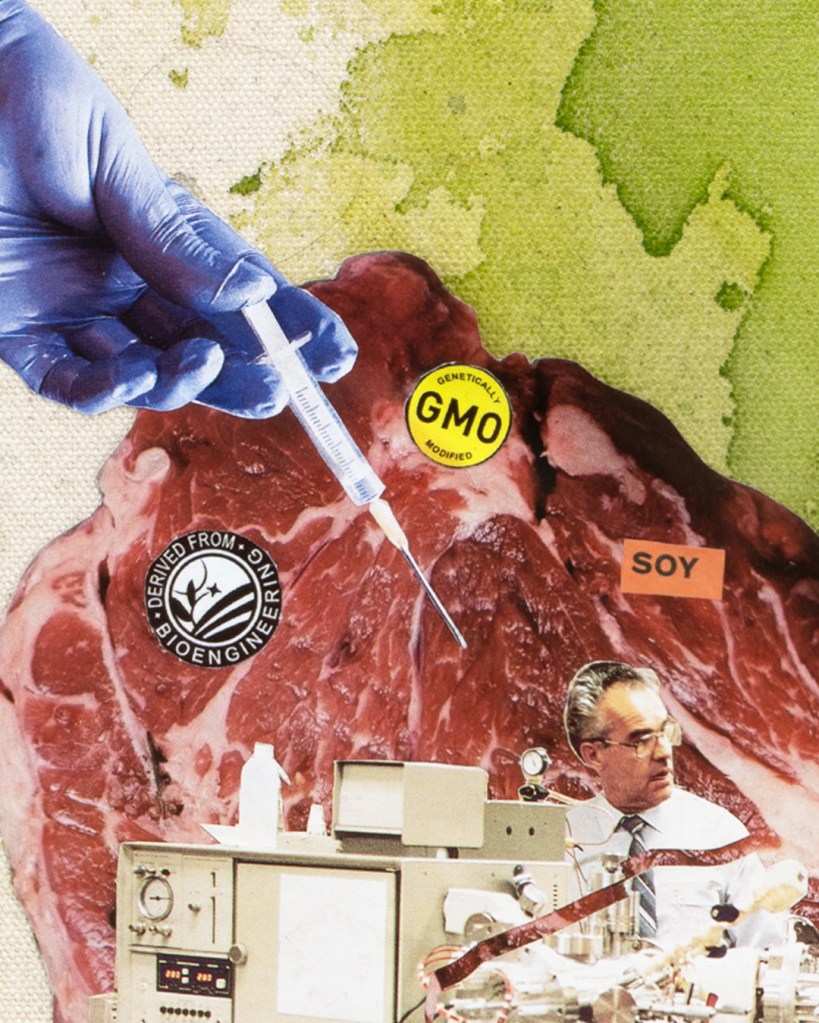
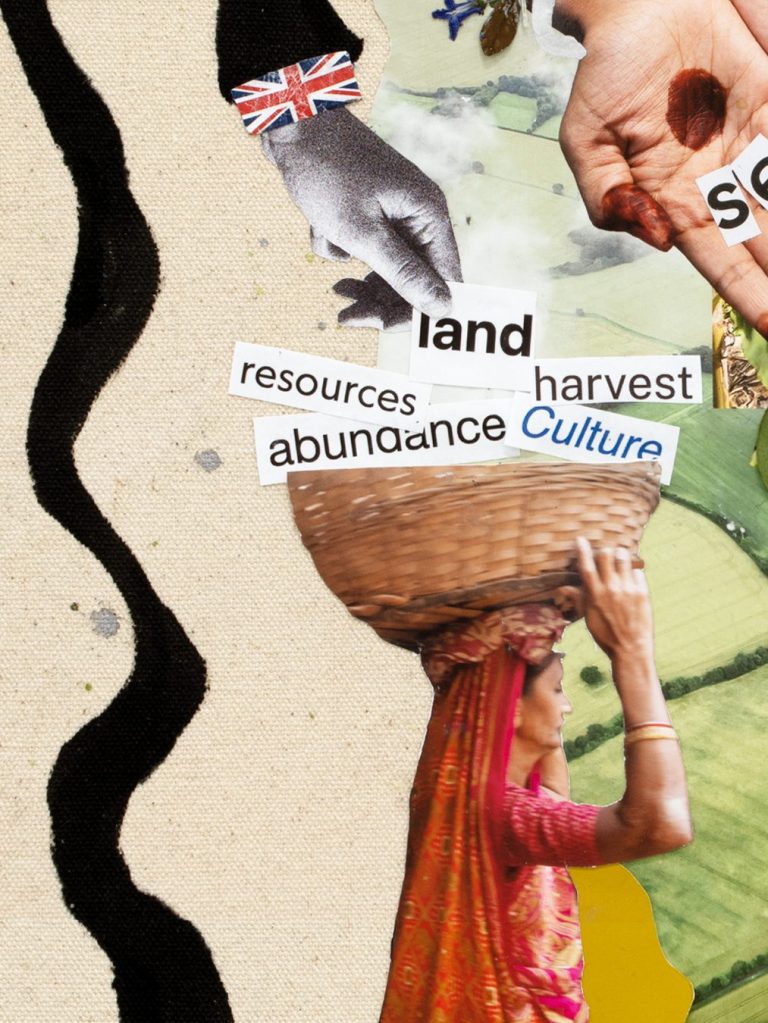

Part of this work is informed by my personal experience as a cancer survivor, which, decoded later through my academic studies, allowed me to see how illness and wellbeing in society connect food production and the politics of healthcare, often lobbied by big pharmaceutical companies. These patterns reflect ethical, economic, and political problems facing health policies worldwide, particularly in relation to social justice.
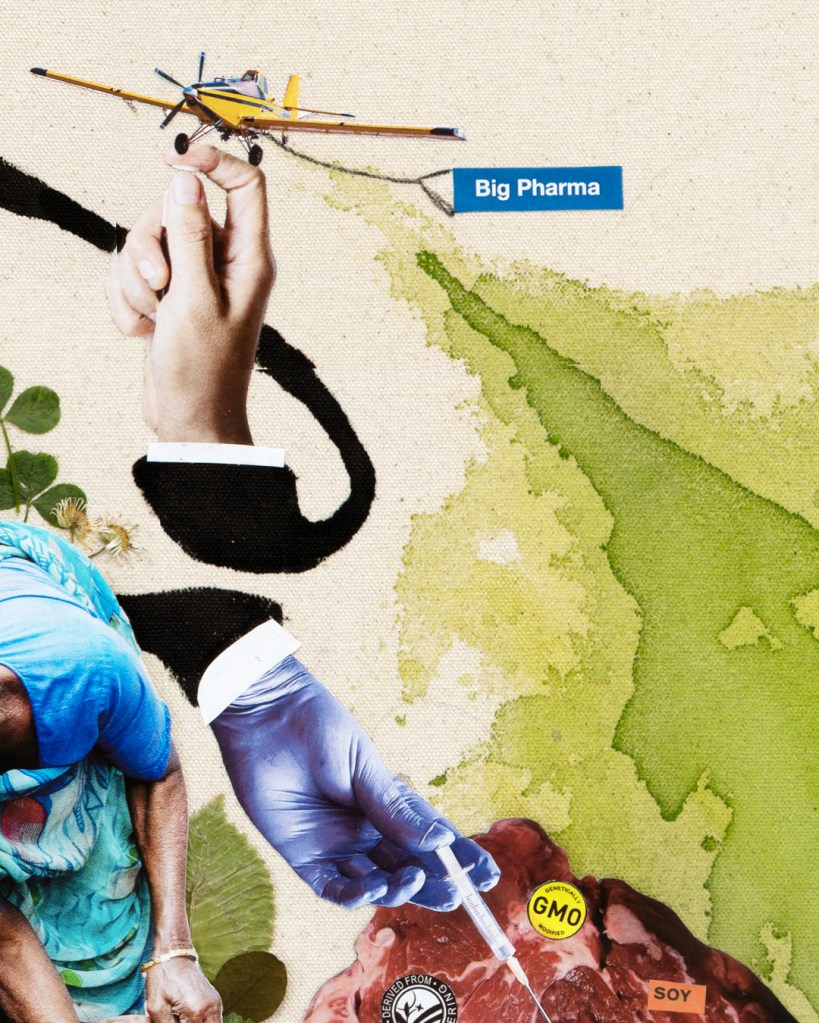

If illness is a consequential element linking the food and pharmaceutical industries, fossil fuel is the raw material on which they are founded. The interests behind these industries are concentrated in some of the wealthiest countries on Earth. Fossil fuel also connects to the lack of wellbeing in trafficked and polluted megacities, where different layers of population are affected on a diverse scale depending on their area and access to services, green spaces, and healthcare.
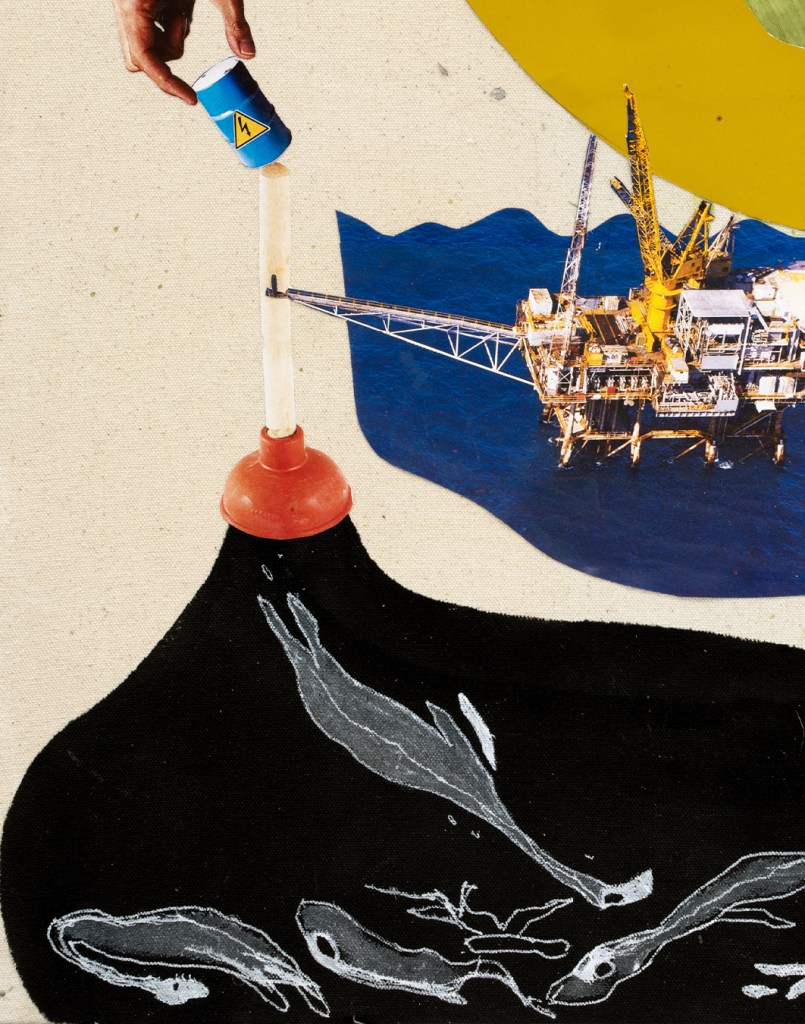

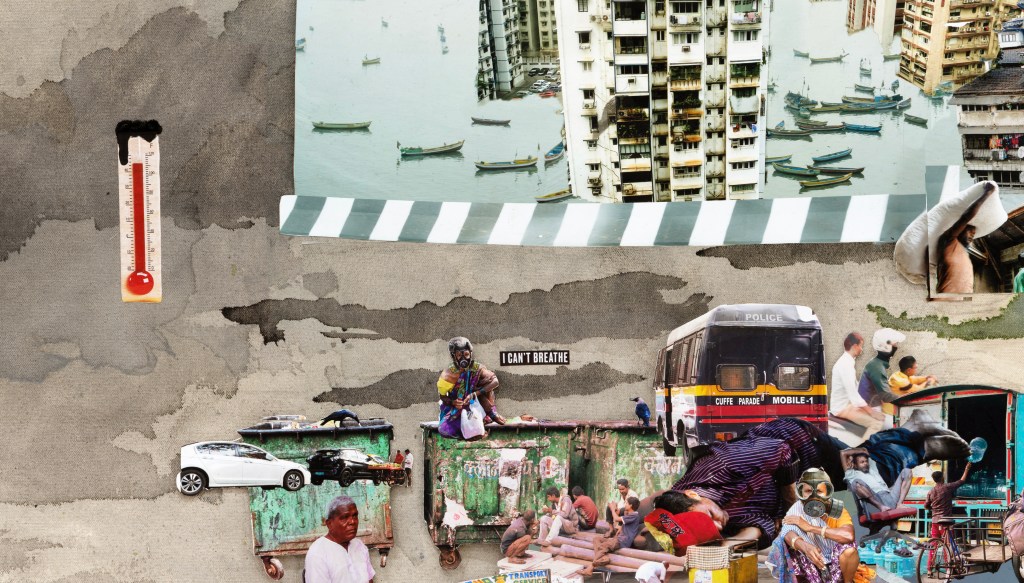
This is evident in Mumbai’s stark wealth divide, where luxury districts contrast sharply with sprawling informal settlements. Real estate prices have surged while wages stagnate, pushing low-income families further out. The gap is often symbolised in propaganda and popular culture by the juxtaposition of high-rise towers, icons of modernity, against informal settlements, labeled as “slums,” symbols of poverty.
Diverse ideas about the social and economic layers of society are deeply intertwined with notions of caste, class, and race, shaping both perceptions and policies and reinforcing the notion that some lives are deemed more valuable than others. This model has dominated globally, and the woman wearing a gas mask serves as a reminder of the system’s capacity to dispose of so-called second-class citizens in ways both overt and insidious .
Redevelopment projects for informal settlements are often funded by this binary “slum vs. modernity” narrative, prioritising profits over people and displacing communities. As a result, they have been criticised as a “land grab.” However, informal settlements, though perceived as chaotic, often provide more inclusive housing than rigid high-rise developments. Dharavi, one of the world’s largest informal settlements, fosters a strong, diverse community with low crime rates despite harsh conditions and limited resources.

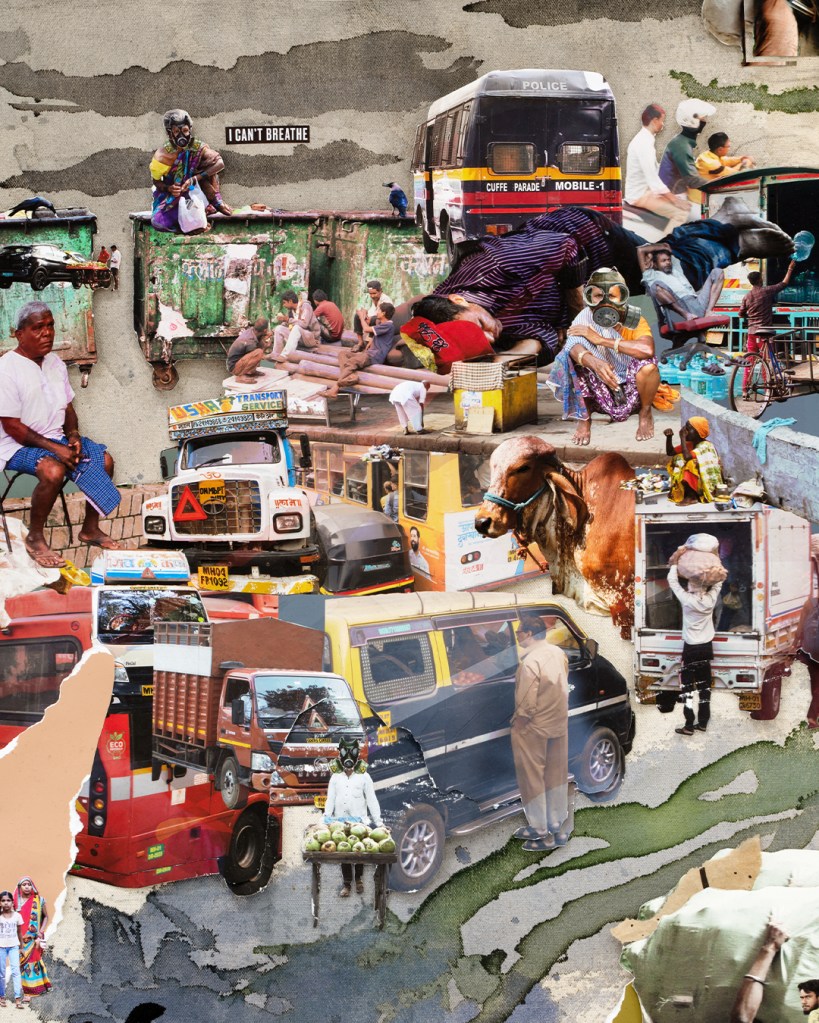


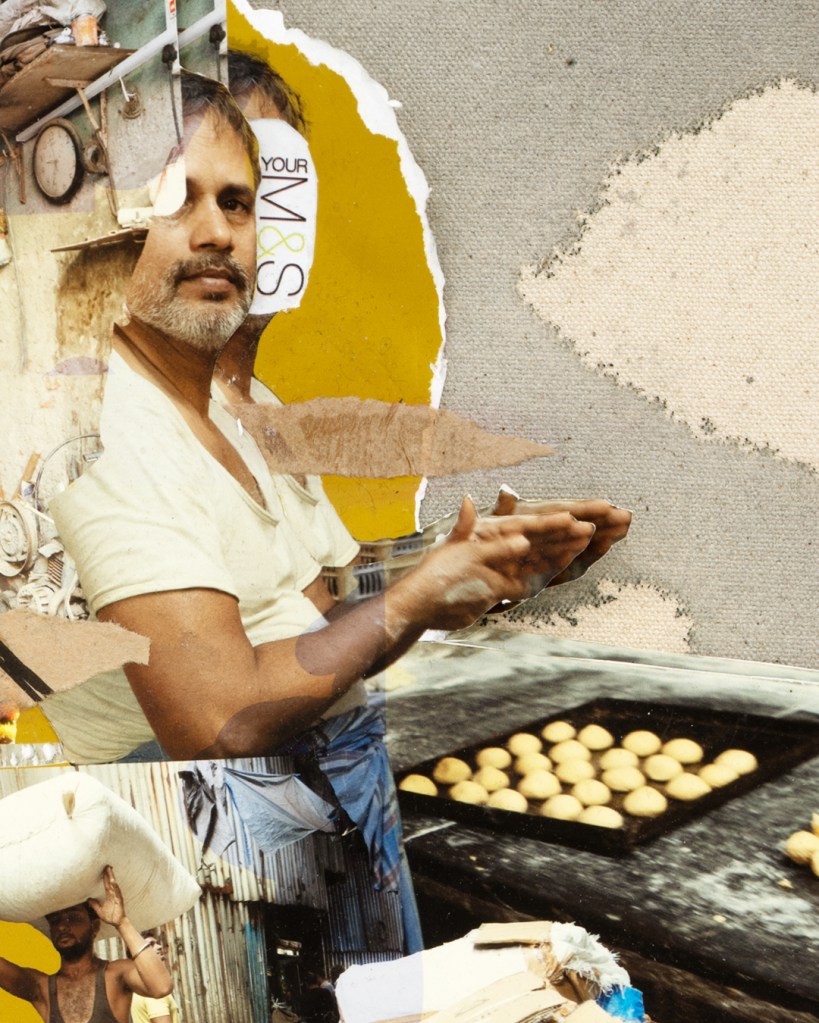
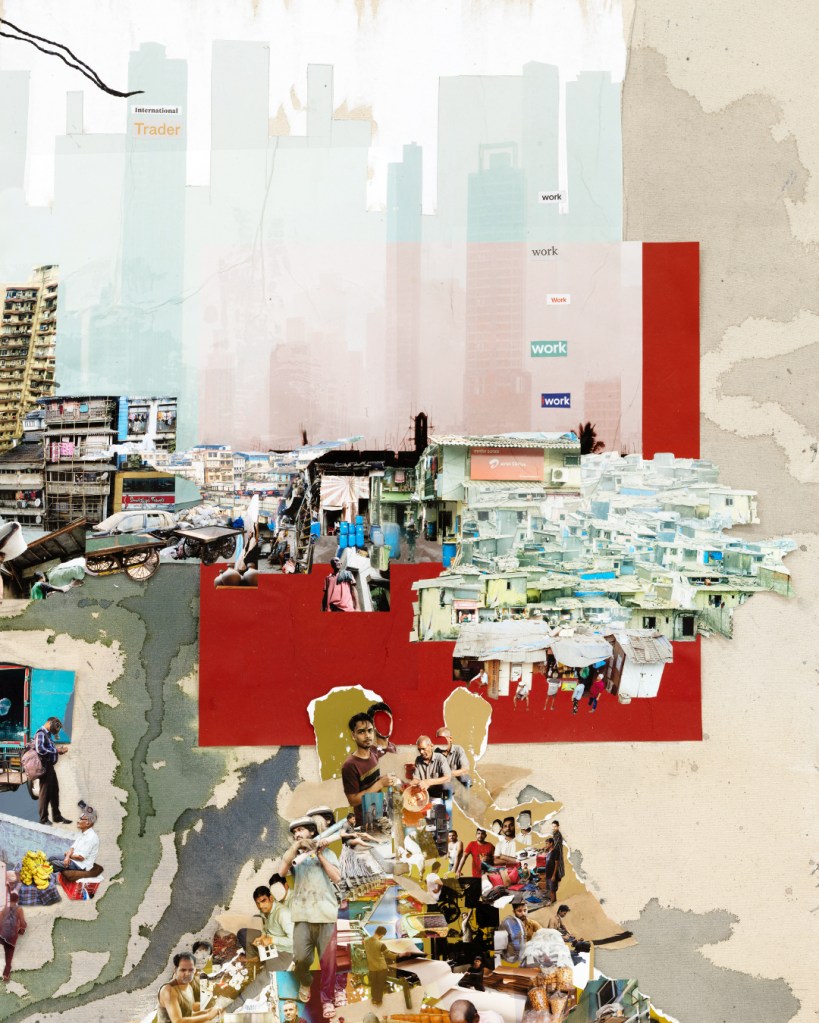
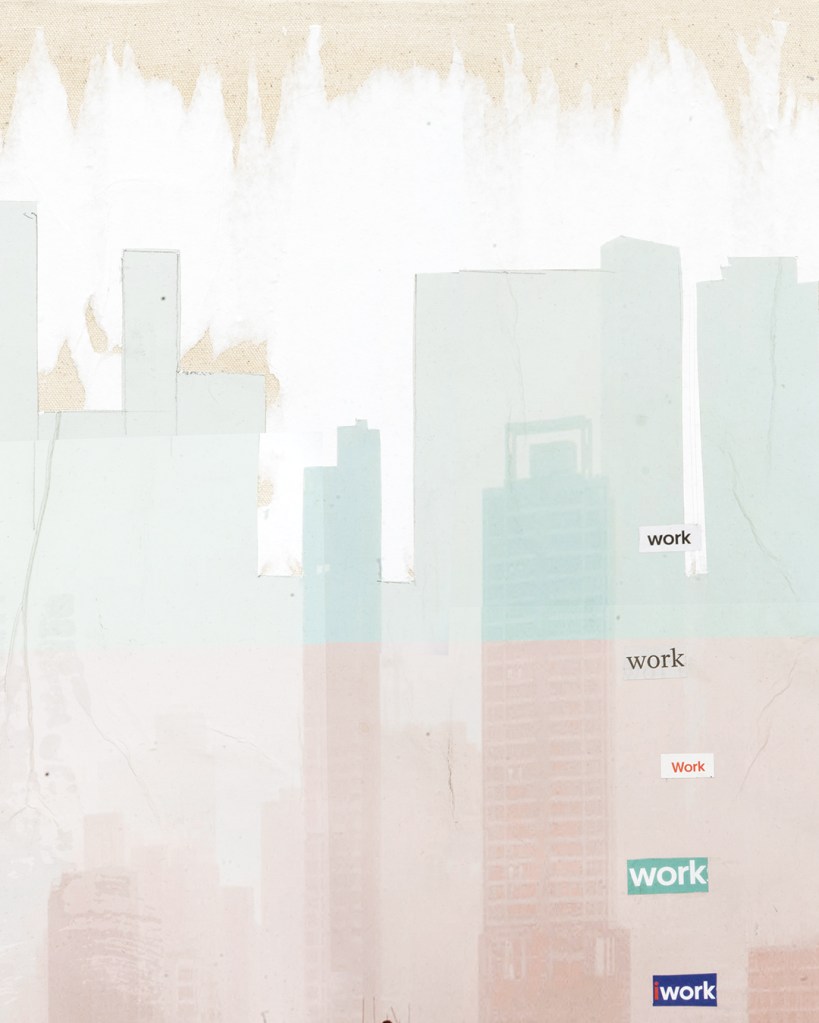
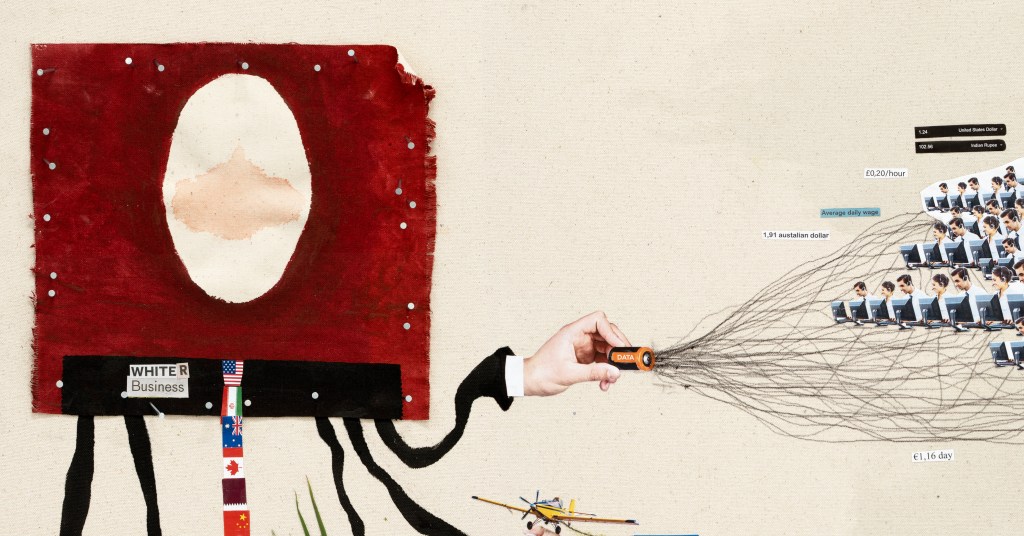
A poverty trap, that results in the complex reality faced by developing countries that depend on providing underpaid labor to wealthier (often former colonial) nations. A controversial aspect of this is the role of artificial intelligence (AI). Many workers are paid low wages to perform the essential task of labelling data to train AI systems, which are increasingly integrated into systems of social control.
Beyond labor, AI also has significant ecological consequences, such as the massive energy consumption required for electricity supply and water for cooling data servers. The economic benefits of automation predominantly flow to large corporations, while the labor force bears the brunt of the costs.
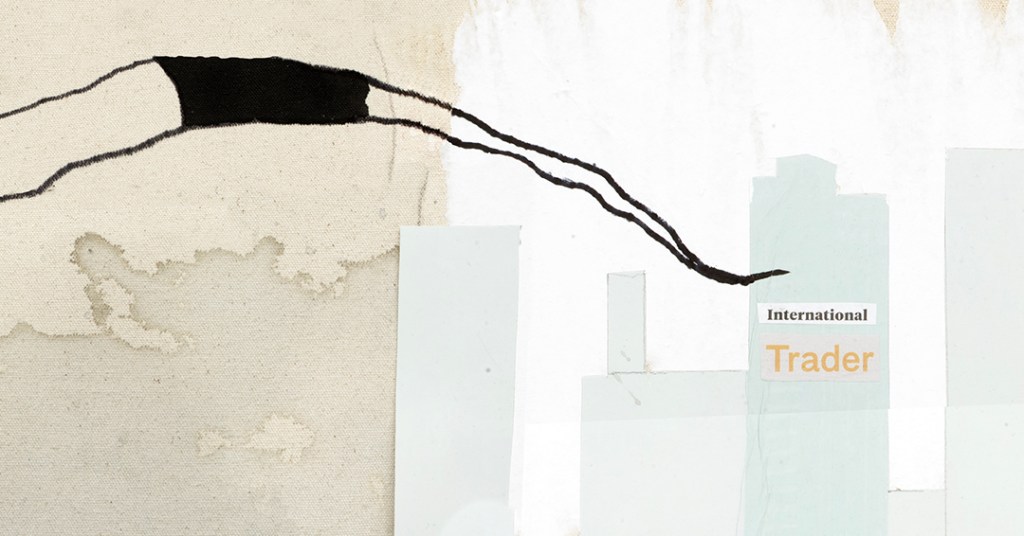
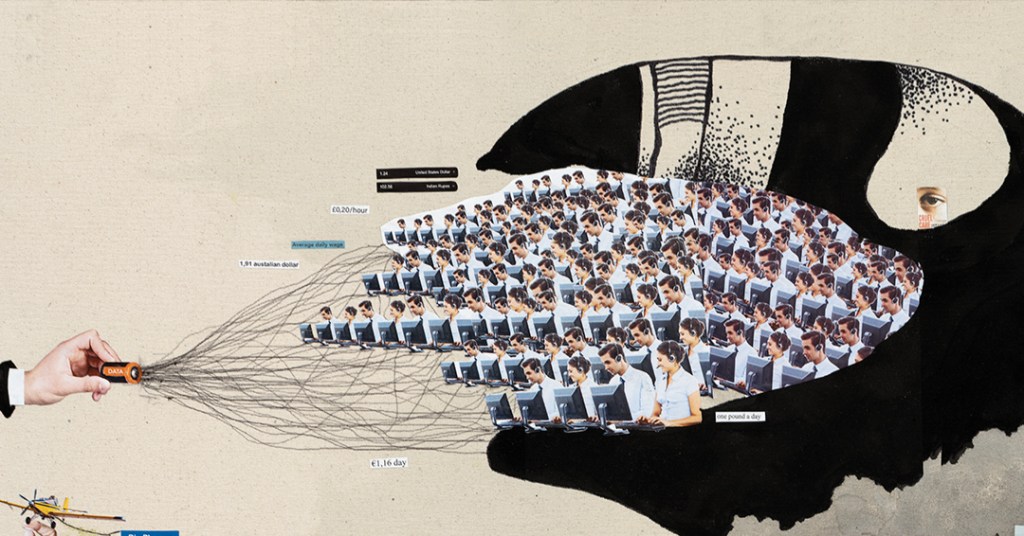
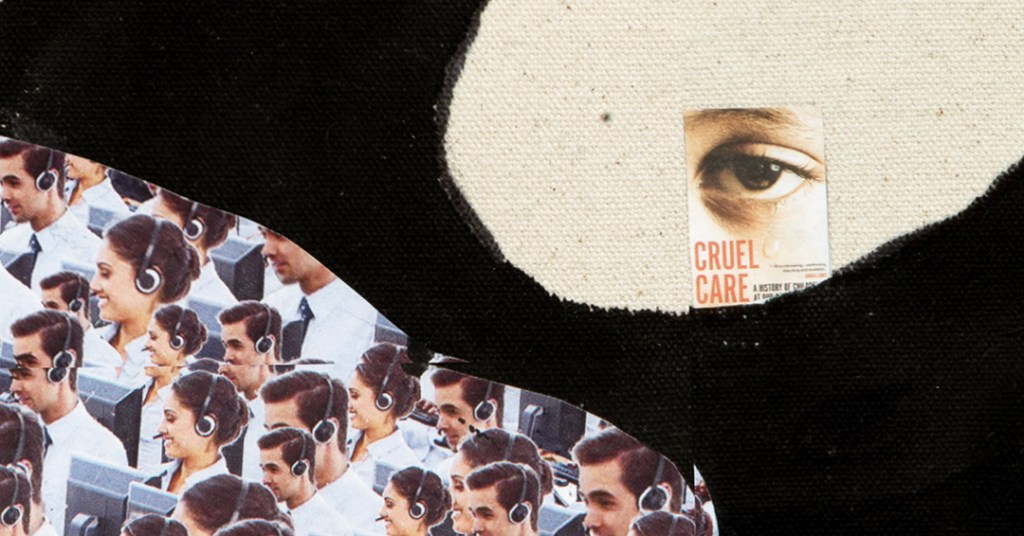
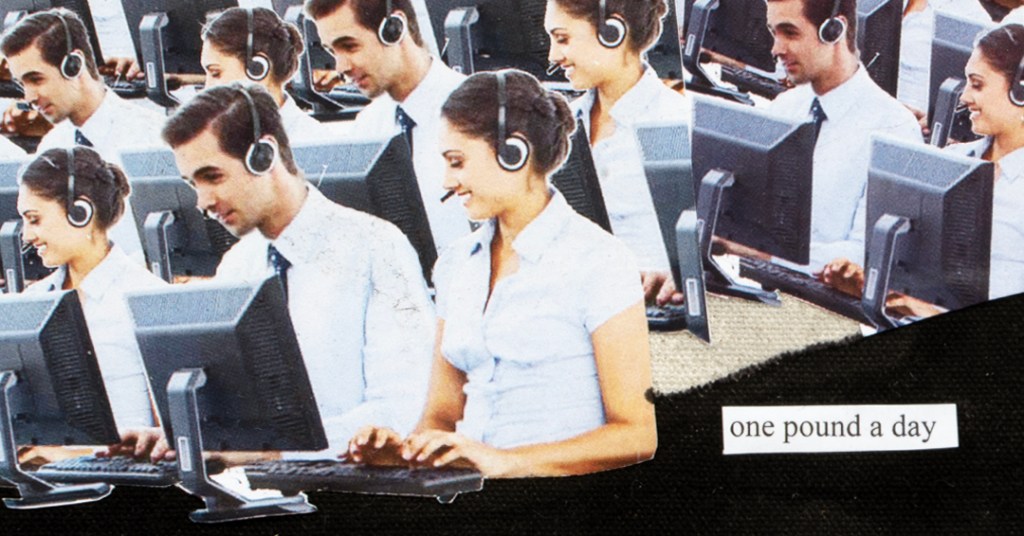
The theme of the poverty trap as a guarantor of cheap labor connects human displacement with its causes, including land degradation, climate change, and the growing control of the food industry by corporate giants. This, in turn, links to the devastating ecological impact of fast fashion, where cheap labor in unsafe conditions remains its backbone. It reveals a neo-colonial model operating not just between countries but within layers of society through trade and policies.
Collage art here serves as a means to convey alternative narratives and knowledge through an accessible visual language that can be decoded by all.




Collage art here serves as a mean to convey alternative narratives and knowledge through an accessible visual language that can be decoded by all.

 Corinna LUCE